Is modern lifestyle enhancing our well-being or compromising it?

Is modern lifestyle enhancing our well-being or compromising it?
The modern lifestyle offers unprecedented conveniences and opportunities. With the click of a button, we can access information, shop, and connect with others around the globe. However, this fast-paced life also comes with considerable challenges. As we navigate through the benefits and pitfalls of contemporary living, it raises a pressing question: Is this lifestyle enhancing our well-being or compromising it?
The Convenience of Technology
One of the most significant advantages of modern life is technology. Smartphones, computers, and the internet have transformed how we communicate and share information. The ability to work remotely has made flexible schedules a reality for many.
Technology enables us to cultivate relationships, even with those miles apart. Social media platforms allow us to connect with friends, family, and colleagues effortlessly. This connectivity can enhance our emotional well-being, providing us with support networks that were less accessible in the past.
The Impact on Mental Health
Despite its advantages, the same technology can stress our mental health. The omnipresence of social media often leads to comparisons, feelings of inadequacy, and anxiety. Individuals may feel pressured to present a perfect life online while grappling with their insecurities in private.
Furthermore, the constant bombardment of information can lead to overwhelm. The phenomenon known as “information overload” can cause difficulty in making decisions, increased stress levels, and even decision fatigue. The need to unplug for mental health is becoming increasingly emphasized in conversations about balancing digital life.
Work-Life Balance Dilemma
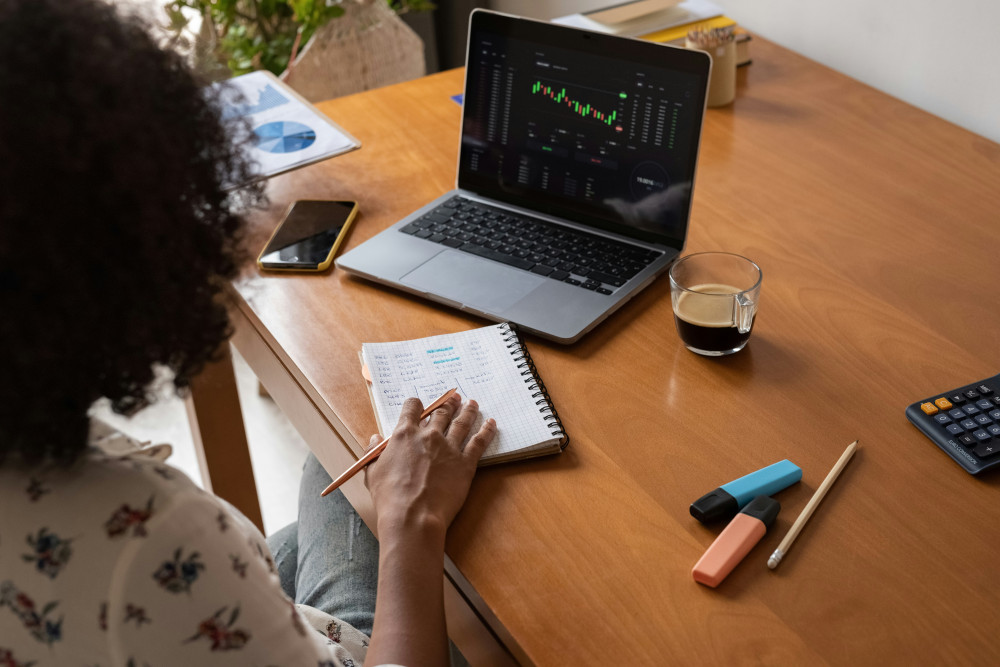
The modern workforce has shifted dramatically. Remote work offers flexibility, but it also blurs the lines between professional and personal life. Many people find it challenging to disconnect from work when their office is just a few steps away.
This lack of separation can lead to burnout. It becomes difficult to establish boundaries when emails come through at all hours and notifications interrupt personal time. As a result, well-being often takes a back seat to the demands of performance and productivity.
Health Implications of Sedentary Living
Another byproduct of modern lifestyle choices is increased sedentary behavior. With more time spent sitting at desks or indulging in screen time, physical activity has decreased significantly for many.
This shift can lead to a variety of health concerns, including obesity, heart disease, and mental health issues. Regular exercise has shown positive effects on mood and stress reduction, yet many struggle to find time for it in their busy schedules.
Dietary Changes: Convenience vs. Nutrition
The rise of fast food and convenience meals reflects a significant change in how we approach nutrition. While these options save time, they often lack essential nutrients. Many individuals consume diets high in processed foods, which can adversely affect both physical and mental health.
Conversely, there has been a notable rise in health-conscious living. More people are exploring plant-based diets, organic foods, and mindful eating. This growing awareness can enhance well-being when prioritized. Still, access to nutritious options varies, and not everyone has the luxury of time or resources to make these healthier choices.
The Role of Community and Connection
One silver lining of modern life is the revival of community-focused living. Many urban areas now host initiatives that encourage community engagement. Farmers’ markets, local events, and social gatherings foster a sense of belonging among residents.
Creating meaningful connections is crucial for emotional well-being. Engaging with neighbors and local groups can combat feelings of loneliness, reinforcing the importance of social health in our overall well-being.
Finding Balance in Modern Living
Ultimately, the modern lifestyle presents a complex interplay of benefits and drawbacks. While technology provides unmatched conveniences, it can also foster detrimental effects on mental health. The constant rush for productivity can impair work-life balance, while sedentary living poses health risks.
Embracing healthier practices, nurturing relationships, and finding ways to disconnect from technology might enhance our overall well-being. As we unpack the complexities of contemporary life, the path forward requires mindfulness and intentional choices.
As we continue to examine how our lifestyle choices intersect with our well-being, understanding these dynamics becomes crucial. The quest for a fulfilling life in our fast-paced world remains a balancing act, demanding careful consideration of how we engage with modernity.