Movement: Because sitting still is the new Olympic sport, right?

Movement: Because sitting still is the new Olympic sport, right?
In an age where comfort reigns supreme, the irony of our sedentary lifestyles cannot be overstated. With the rise of technology, many of us find ourselves glued to our chairs, whether at work, home, or even during leisure activities. This article explores the implications of our behavior, the importance of movement, and how we might reclaim an active lifestyle amidst modern conveniences.
Understanding the Sedentary Lifestyle
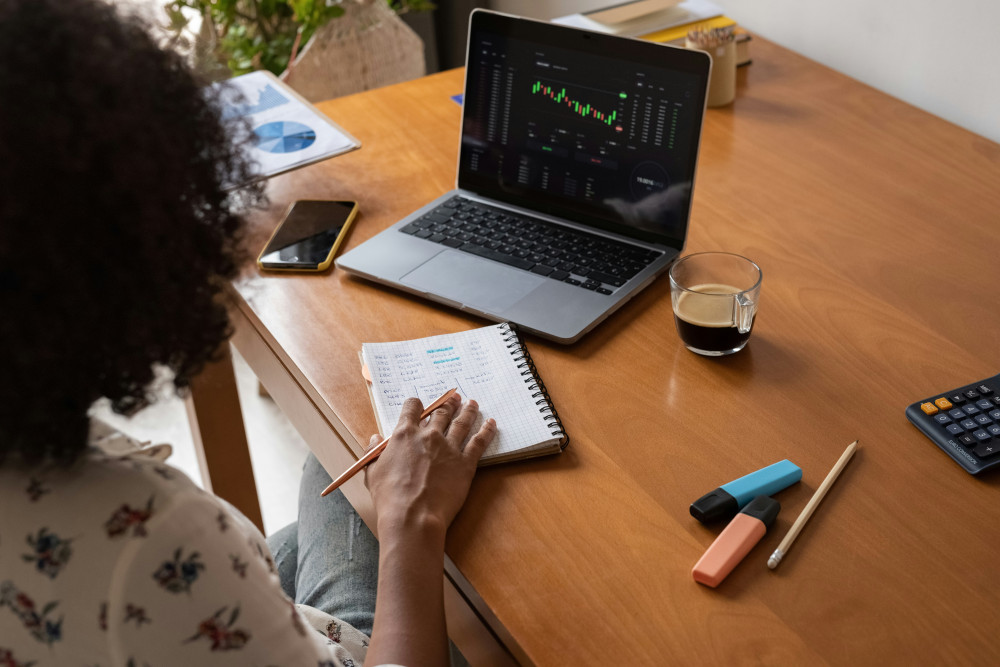
Sitting has become synonymous with productivity in the modern world. From office jobs to binge-watching our favorite shows, we often forget that this position—once associated with rest—has transformed into a lifestyle. Studies suggest that adults spend an average of 10 hours a day sitting. This behavior can lead to serious health consequences, including obesity, heart disease, and decreased mental health.
It’s ironic that in a world that celebrates athletic achievement, we engage in a lifestyle that minimizes physical movement. As more individuals turn to screens for work and entertainment, the real Olympic sport may just be finding the motivation to get up and move.
The Health Risks of a Sedentary Routine
Research has consistently shown that excessive sitting can have detrimental effects on our health. When we remain inactive, blood circulation slows, leading to a number of issues, including poor posture, muscle degeneration, and even mental fatigue. The lack of movement can disrupt our metabolic health as well.
Moreover, a sedentary lifestyle is linked to various chronic illnesses. Conditions like diabetes, cardiovascular diseases, and certain types of cancer have been associated with prolonged periods of inactivity. This raises an urgent question: how can we offset the negative impact of our current lifestyle?
Incorporating Movement into Daily Life
The good news is that incorporating movement into our daily routine doesn’t require a complete lifestyle overhaul. Small adjustments can make a significant difference. Here are a few practical suggestions:
- Take Regular Breaks: Set a timer every hour to remind yourself to stand up, stretch, or take a short walk.
- Utilize Standing Desks: If your workstation allows it, consider a standing desk or a convertible option to alternate between sitting and standing.
- Embrace Active Hobbies: Trade screen time for physical activities such as jogging, cycling, or even dancing. It’s a fun way to engage your body.
- Walk or Bike for Short Trips: Instead of driving for quick errands, opt for walking or biking. This simple choice adds up over time.
By incorporating movement into our routines, we can combat the negative effects associated with prolonged sitting while improving our overall well-being.
The Mental Benefits of Movement
Not only does physical activity benefit our bodies, but it also significantly impacts our mental health. Engaging in regular movement has been shown to reduce stress, anxiety, and symptoms of depression. Physical activity releases endorphins, which create feelings of happiness and euphoria.
Moreover, moving around increases blood flow to the brain, enhancing cognitive functions such as focus, creativity, and problem-solving. This means that taking a break to stretch or walk can actually boost your productivity upon returning to your desk. Who knew that a few minutes of movement could translate into better work performance?
Changing the Narrative Around Movement
We need a cultural shift that emphasizes the importance of movement, redefining how we perceive both relaxation and productivity. Rather than viewing sitting as a sign of efficiency, we should advocate for an active lifestyle that celebrates movement as a key component of health and success.
In workplaces, there could be a push for incorporating wellness programs that promote physical activities, ensuring that employees have opportunities to integrate movement throughout the day. Schools can also play a pivotal role in instilling healthy habits from a young age, teaching children the value of being active.
Finding Enjoyment in Movement
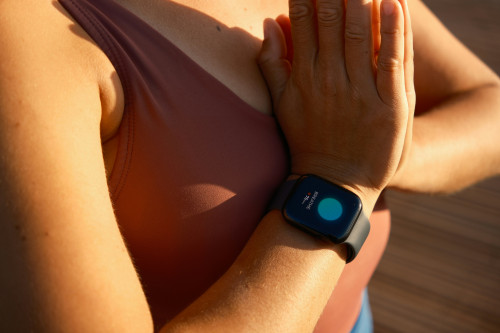
Ultimately, the best way to stay active is to find joy in movement. Explore various activities until you discover what resonates with you. Whether it’s hiking in nature, practicing yoga, joining a sports team, or dancing in your living room, the key is to keep it enjoyable. The more fun you have, the less it can feel like a chore.
Moreover, engaging in group activities or classes can provide accountability and motivation. Surrounding yourself with like-minded individuals can transform movement from an obligation into a shared experience filled with camaraderie and support.
As we navigate our realities, it’s essential to remember that movement doesn’t have to be strenuous or time-consuming. It can be simple, enjoyable, and easily integrated into our daily lives. Instead of letting sitting become our new sport, let’s champion the joys and benefits of movement. After all, our bodies are designed for activity, not stillness.