A Safe Children’s Room: Colours, Materials and Design that Create Calm

A Safe Children’s Room: Colours, Materials and Design that Create Calm
A child’s room is more than a place to sleep or play – it is their own little world. It should feel safe, inspiring and peaceful, while still leaving space for imagination and growth. But how do you design a room that feels calm without losing its sense of joy? The answer lies in the thoughtful use of colours, materials and layout. Here are some ideas for creating a children’s room that nurtures both comfort and creativity – with inspiration suited to Indian homes and climates.
Colours that Soothe and Inspire
Colours have a strong influence on mood and energy, especially for children. While bright shades can be stimulating, softer tones help create a sense of calm and security.
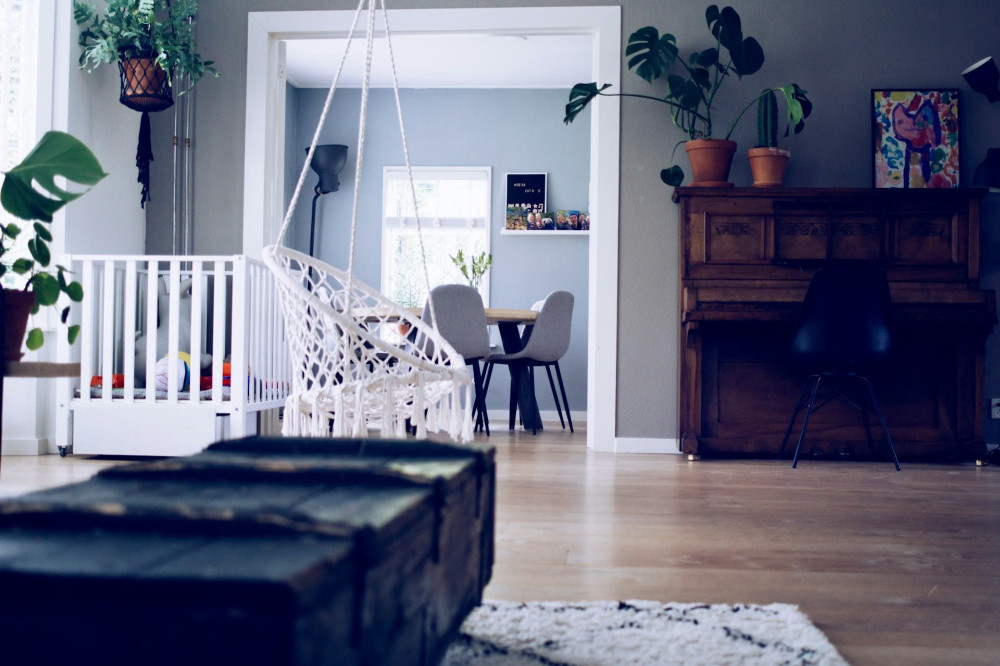
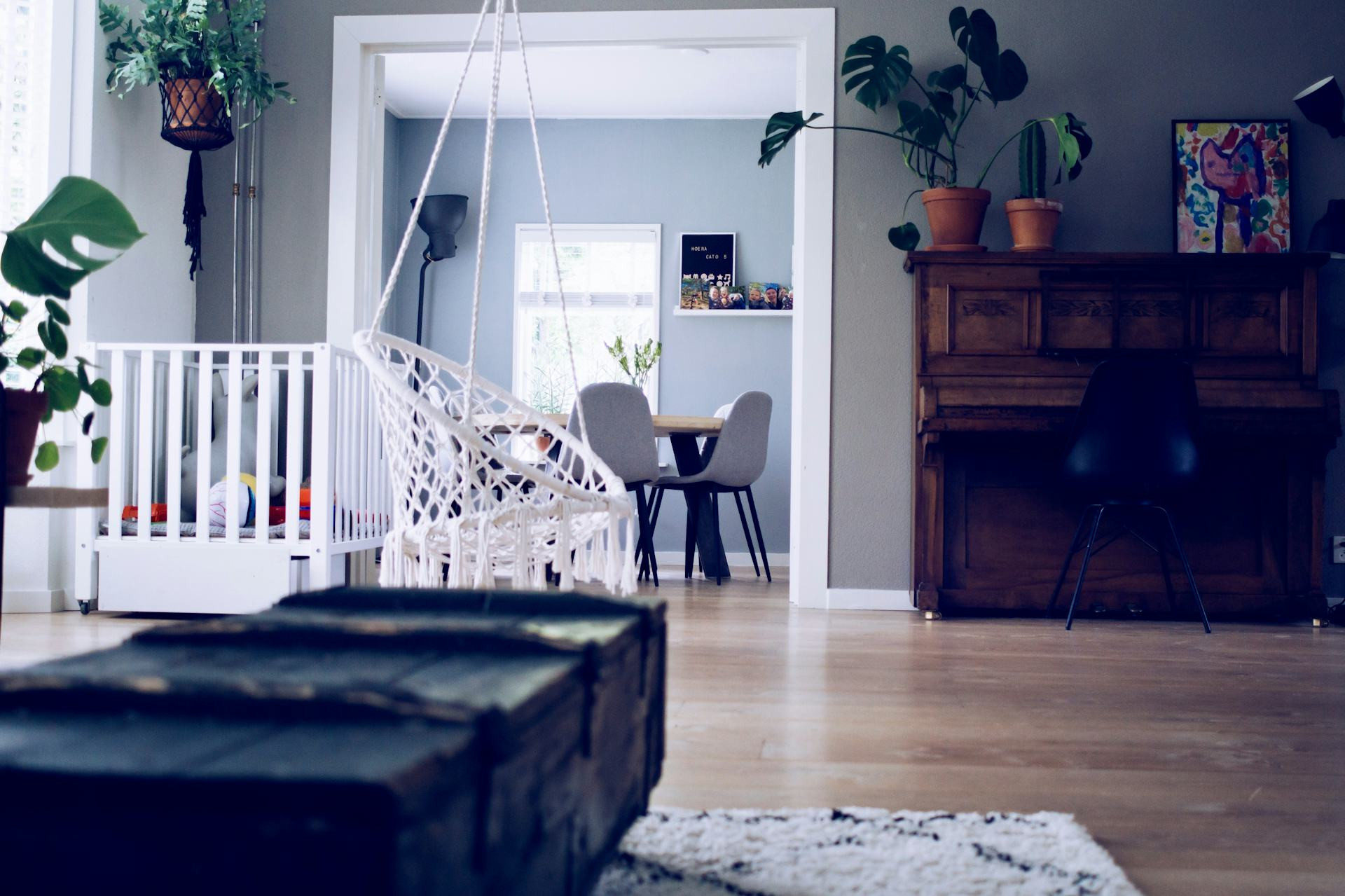
- Cool blues and gentle greens remind us of nature and water, bringing freshness and peace to the room. They work beautifully on walls or in fabrics.
- Warm earthy tones like clay, beige, or muted yellows add a cosy, grounded feeling that suits Indian light and décor.
- Pastel shades – mint, peach, or lavender – can be used as a subtle alternative to bold primary colours, keeping the space cheerful yet restful.
The key is balance. A neutral base can be paired with colourful accents in cushions, artwork or toys, so the room feels lively but not overwhelming.
Natural Materials for Comfort and Safety
The materials you choose affect how a room feels and functions. Natural materials not only look beautiful but also help regulate temperature – an important factor in India’s varied climate.
- Wood adds warmth and texture. Choose locally available options like teak, mango or bamboo for furniture and shelves.
- Cotton and linen textiles are breathable and soft, perfect for bedding, curtains and rugs. They help keep the room cool in summer and cosy in winter.
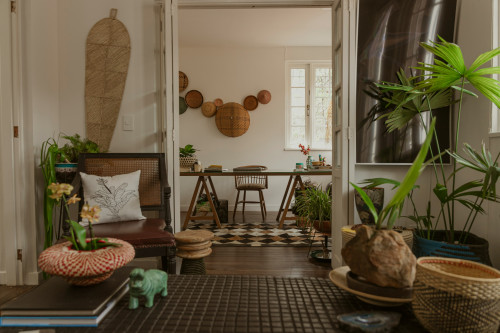
- Avoid too much plastic, as it can feel harsh and trap heat. Instead, use woven baskets, cane furniture or jute mats for a natural touch.
Adding a few indoor plants – such as money plant, areca palm or peace lily – can purify the air and bring a sense of life and calm to the space.
Designing with Balance: Play, Rest and Learning
A child’s room needs to support different activities: play, study, rest and storage. The best design creates clear zones for each purpose.
- The sleeping area should be simple and soothing. Keep the bed area uncluttered and use soft, warm lighting.
- The play zone can be more colourful and flexible – a soft mat, open baskets for toys and space to move freely.
- A quiet corner for reading or drawing – perhaps a small desk, a floor cushion or a tent – gives the child a place to focus or unwind.
When each area has a clear function, children naturally understand when it’s time to play, study or rest, helping them feel more secure and calm.
Light and Sound: The Hidden Influences
Light and sound shape how a room feels, often more than we realise. Natural light is ideal, so keep windows clear and use light curtains that let in sunshine while maintaining privacy. For evenings, use layered lighting – a ceiling lamp for general light, a bedside lamp for reading, and a night light for comfort. Choose bulbs with warm tones rather than harsh white light.
Sound also matters. Soft furnishings like rugs, curtains and cushions absorb noise, making the room quieter. If the home is near a busy street, thicker curtains or wall hangings can help reduce outside sounds.
Reflecting the Child’s Personality
A calm room doesn’t have to be plain. Let your child’s personality shine through in small details – a favourite colour, a handmade craft, or a few framed drawings. Involving children in choosing these elements gives them a sense of ownership and pride.
Think long-term as well: children grow quickly, and their interests change. Choose furniture and colours that can adapt over time – a neutral wall colour with replaceable décor, or modular furniture that can evolve with their needs.
Læs også:
A Space for Peace, Play and Growth
Creating a safe and calm children’s room is not about following a strict style, but about finding harmony. When colours, materials and design work together, the result is a space where a child can rest deeply, play freely and dream openly. In the end, that balance of comfort and creativity is what turns a simple room into a nurturing world of its own.
Læs også: