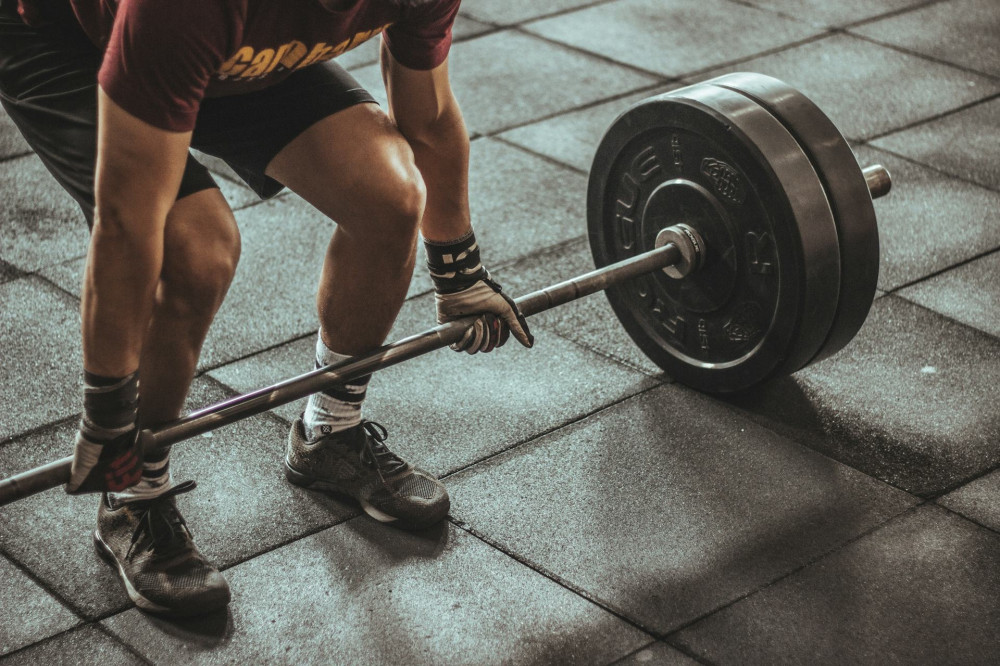
Adapt strength training to your body and fitness level


Adapt strength training to your body and fitness level
Strength training is one of the most effective ways to improve your health, energy, and overall well-being. But to get the best results—and avoid injuries—it’s essential to tailor your workouts to your body, experience, and goals. Whether you’re a beginner, a regular gym-goer, or an experienced lifter, the key is to find the right balance between challenge and recovery. Here’s a guide to help you adapt your strength training so it becomes both effective and sustainable.
Know your starting point
Before you pick up the weights, take a moment to assess where you stand. Have you trained regularly before, or are you new to strength training? Do you have any injuries or physical limitations to consider?
A simple fitness assessment can help. Try basic tests like how many push-ups you can do or how long you can hold a plank. You can also consult a certified trainer at your local gym or fitness centre for a more detailed evaluation. Understanding your current level makes it easier to track progress and set realistic goals.
Set clear and realistic goals
Many people start training without a clear purpose, but having goals is crucial for motivation. Think about what you want to achieve: do you want to build strength, lose weight, increase energy, or improve posture?
Set both short-term goals (for example, being able to do 10 proper push-ups within a month) and long-term goals (such as being able to lift your body weight in a squat within six months). Clear goals help you stay focused and make it easier to adjust your training as you progress.
Choose exercises that suit you
There are countless exercises to choose from, but not all are right for everyone. Compound movements like squats, deadlifts, bench presses, and rows are highly effective, but they require proper technique. If you’re new, start with lighter weights or machines until you master the movement.
- Beginners should focus on full-body workouts 2–3 times a week, emphasizing technique and control.
- Intermediate lifters can move to split routines, training different muscle groups on different days.
- Advanced lifters can experiment with periodization—varying intensity and volume over time to keep progressing.
Listen to your body. Pain is a warning sign, not a goal. If an exercise feels wrong, adjust your form or ask a trainer for guidance.
Adjust load and pace
One of the most common mistakes is lifting too heavy too soon. This increases the risk of injury and prevents proper technique. A good rule of thumb is that you should be able to complete all repetitions with good form, but the last two should feel challenging.
Tempo also matters. Slow, controlled movements improve muscle engagement and reduce the risk of strain. As you gain experience, you can vary your tempo to challenge your muscles in new ways.
Læs også:



Don’t forget recovery
Progress doesn’t happen only during workouts—it happens between them. Muscles need time to rebuild, and rest, nutrition, and sleep are just as important as training itself.
Make sure you get enough protein, stay hydrated (especially in India’s warm climate), and aim for 7–9 hours of sleep each night. If you feel unusually tired, sore, or unmotivated, it might be a sign you’re overtraining. Taking an extra rest day can often do more good than pushing through fatigue.
Keep adapting
Your body adapts quickly, and what feels challenging today may become easy in a few weeks. To keep improving, gradually increase the difficulty—by lifting heavier, doing more repetitions, or changing exercises.
Plan to review and adjust your program every 6–8 weeks. This keeps your training fresh and ensures continuous progress in strength and endurance.
Make training fit your lifestyle
The best workout plan is the one you can stick to. There’s no point in scheduling five sessions a week if you realistically have time for three. Consistency matters more than intensity.
Find a time of day that suits your routine—whether it’s early morning before work, during lunch, or in the evening—and make it a habit. Many people in India find that training at home with minimal equipment is a practical and time-saving option. What matters most is showing up regularly.
A stronger body—on your terms
Strength training isn’t just about building muscle; it’s about understanding your body and respecting its limits. When you adapt your training to your level, you not only achieve better results but also develop a healthier, more sustainable relationship with exercise.
Whether your goal is to get stronger, feel more energetic, or simply move better in daily life, remember: progress takes time, but every rep counts.
Læs også: