A Quiet Gathering: How to Create Peace and Respect After a Funeral


A Quiet Gathering: How to Create Peace and Respect After a Funeral
When a funeral has ended, many people are left with a mix of grief, relief, and exhaustion. The ceremony itself demands emotional and physical energy, and what follows is a quieter time — a time for reflection, remembrance, and gentle connection. The gathering that often takes place after the funeral is an important part of saying goodbye. It allows family and friends to support one another and to honour the departed in a calm and respectful way. But how can we create the right atmosphere for such a moment?
Allow Space for Silence
After a funeral, silence can feel heavy, yet it can also be deeply healing. Many people need a few moments of quiet to breathe, to let emotions settle, and to absorb what has just happened. It is not necessary to fill every pause with words — sometimes, simply being together in silence is enough.
If you are hosting the gathering, you can create a peaceful environment by keeping the lighting soft, playing gentle instrumental music, and arranging the seating so that people can sit in small groups. This allows space for both conversation and contemplation. Silence is not emptiness; it is a space for presence and comfort.
Læs også:


Create a Warm and Simple Setting
A post-funeral gathering does not need to be elaborate or formal. What matters most is that it feels personal and comforting. In India, such gatherings often take place at home, in a community hall, or at a quiet restaurant. Wherever it is held, you can create a warm atmosphere with simple touches:
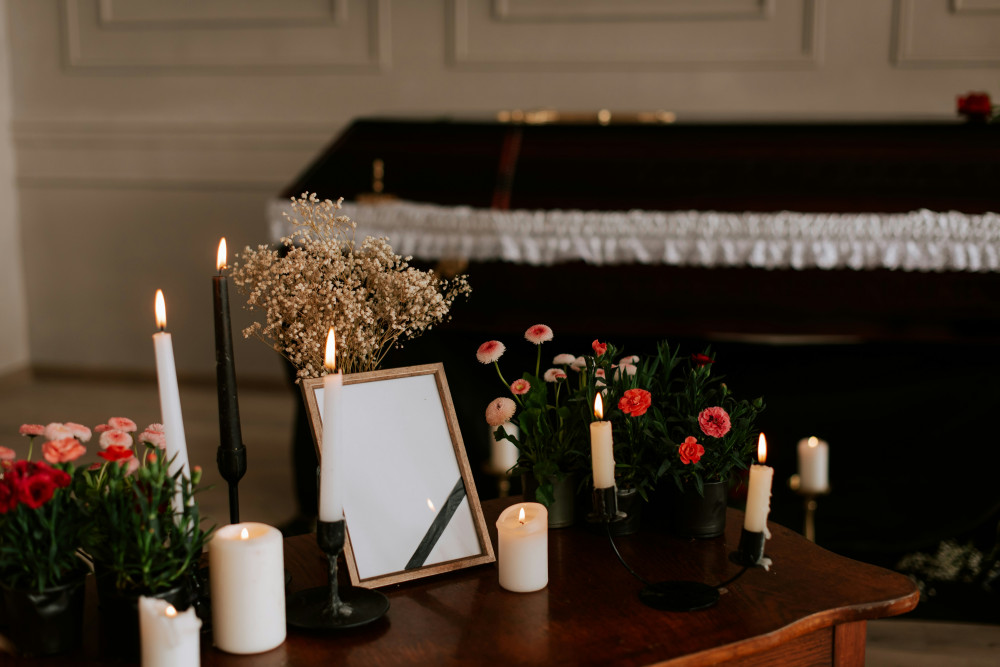
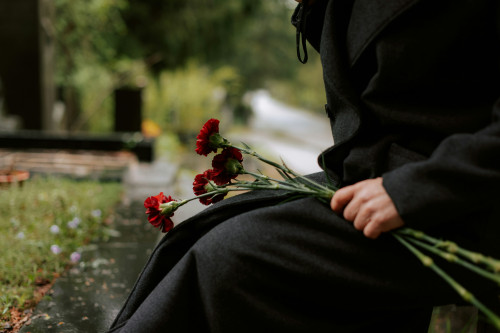
- Flowers and candles or diyas bring light and warmth, symbolising both remembrance and the continuity of life.
- A photograph of the departed placed with a garland or a small lamp can serve as a gentle focal point.
- A memory book or table allows guests to write messages, share memories, or place small tokens of remembrance.
The goal is not to impress, but to create a space where people can be together in peace and respect.
Conversations That Bring Comfort
Finding the right words after a funeral can be difficult. Some people may want to talk about the person who has passed away, while others may prefer to listen quietly. Both are equally valuable. You can help guide the conversation by asking open and gentle questions such as, “What do you remember most about him?” or “What made her smile the most?”
These kinds of questions invite stories that can be both touching and uplifting. Often, it is in these small memories that we truly feel the presence and impact of the person we have lost.
Food and Drink as a Source of Togetherness
Sharing food after a funeral is a long-standing tradition in many Indian families. It is not a celebration, but a way to offer comfort and community. A simple meal — tea, coffee, snacks, or a light lunch — gives people something to gather around and can make the atmosphere more relaxed.
Including a favourite dish of the departed can be a meaningful gesture. It connects everyone to the person’s memory and can even bring a quiet smile amid the sadness.
Marking the End of the Gathering
The way a gathering ends can be as important as how it begins. Some families choose to say a few words of thanks, recite a prayer, or read a short poem. Others may simply express gratitude to those who came. This moment of closure helps everyone recognise that the day is drawing to an end and that the journey of healing continues.
It can also be thoughtful to give guests a small token to take home — a flower, a photo, or a card with a comforting quote. Such gestures serve as gentle reminders of the day and the person remembered.
Finding Calm After Everyone Has Left
When the guests have gone and the house grows quiet again, the emptiness can feel overwhelming. Yet this is also when peace begins to return. Allow yourself time to rest, to reflect, and to let the day settle in your heart.
Grief has no fixed path or timeline. The most important thing is to give space — to memories, to silence, and to life as it slowly moves forward.
Læs også: