Structure in Grief: Rituals and Actions That Create Meaning Amid Loss


Structure in Grief: Rituals and Actions That Create Meaning Amid Loss
When we lose someone we love, grief can feel like a storm that sweeps through every part of life. In the midst of that chaos, it can be difficult to find balance or direction. Yet, structure – in the form of rituals and small, meaningful actions – can offer a sense of calm. They help us mark transitions, express emotions, and create a space where grief can be acknowledged rather than avoided.
This article explores how both traditional and personal rituals can help people in India find meaning and continuity in times of loss.
Rituals as Anchors in a Time of Change
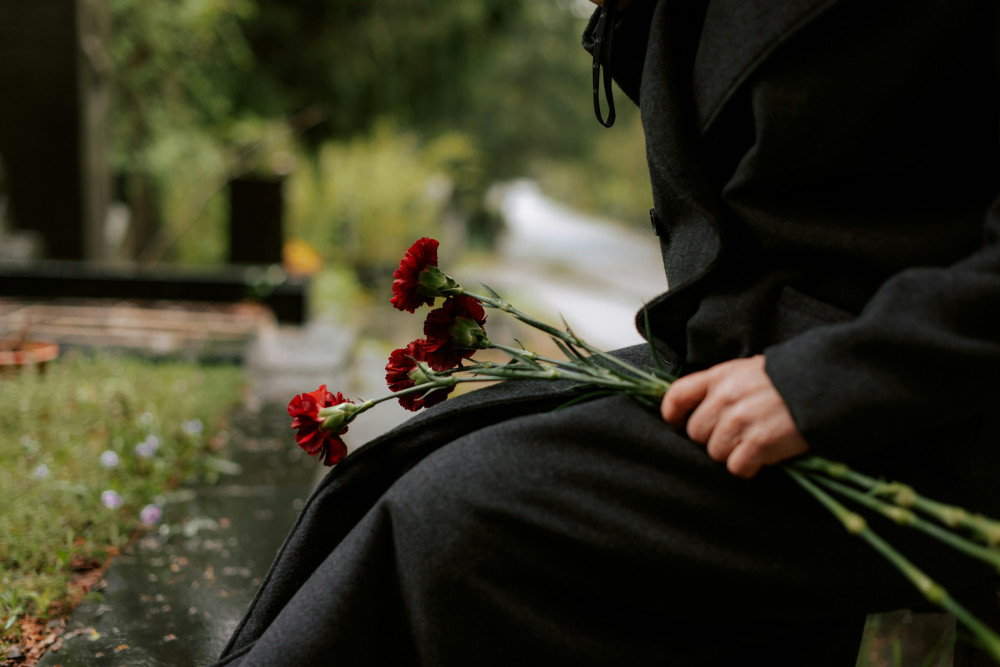
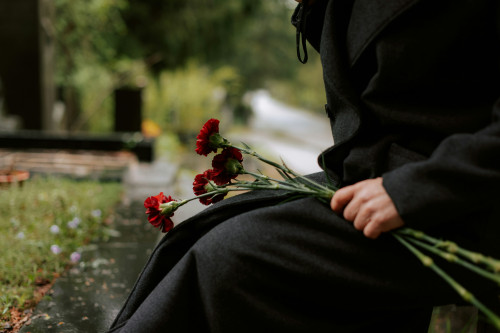
Across India’s many cultures and faiths, rituals surrounding death and mourning have long provided a framework for navigating loss. Whether it is the lighting of a diya, the chanting of prayers, or the offering of flowers and food, these acts are not only symbolic – they are deeply human ways of processing change.
Rituals remind us that grief is not chaos without form. The thirteenth-day ceremony, the annual shraddha, or a simple moment of silence at home all serve to acknowledge that life has shifted. They help the bereaved move from shock toward acceptance, step by step.
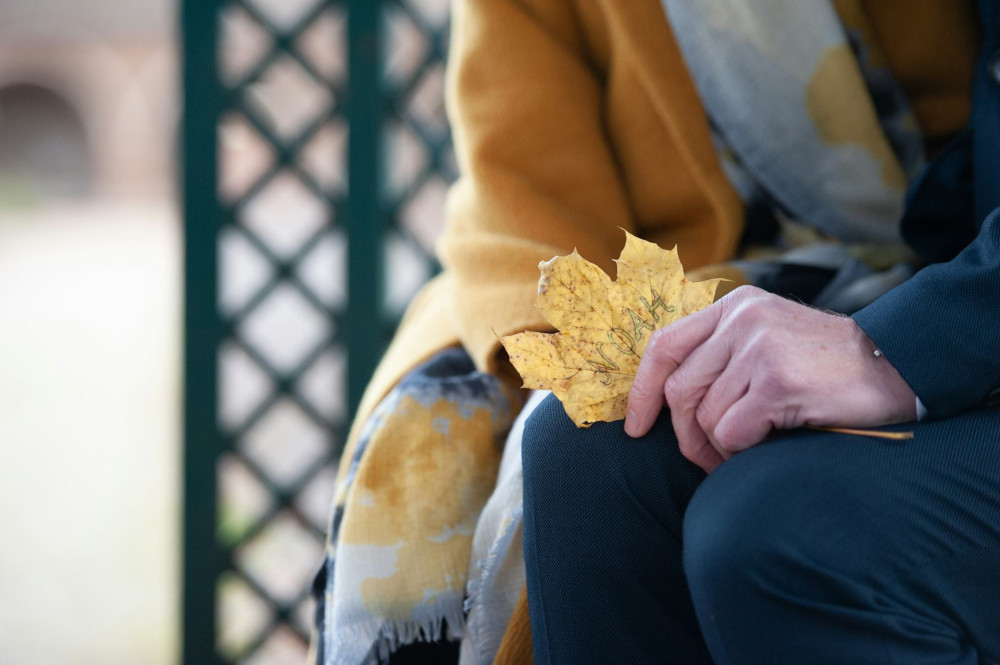
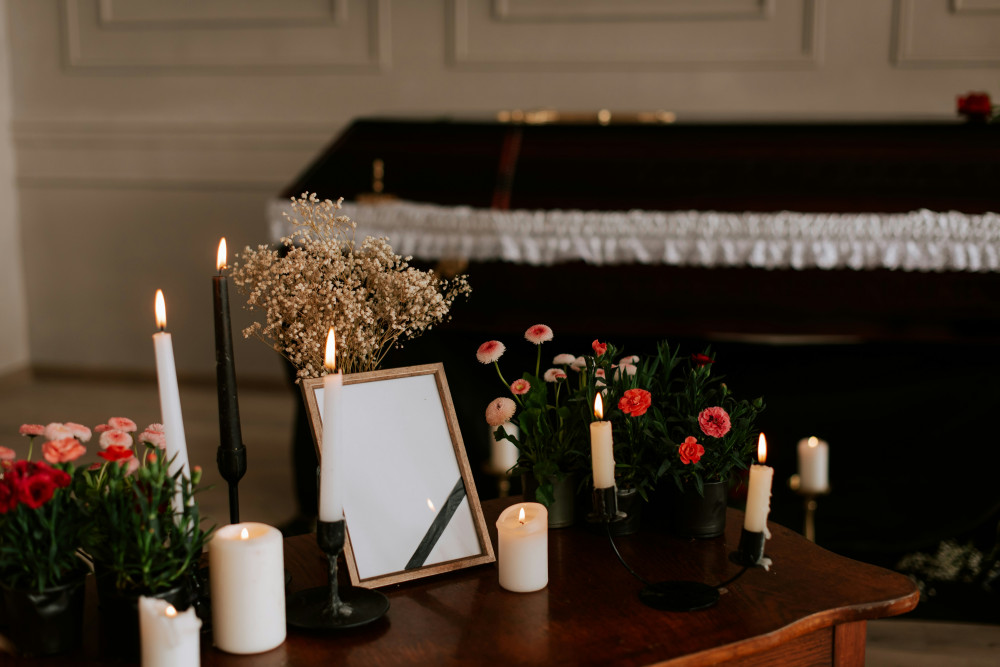
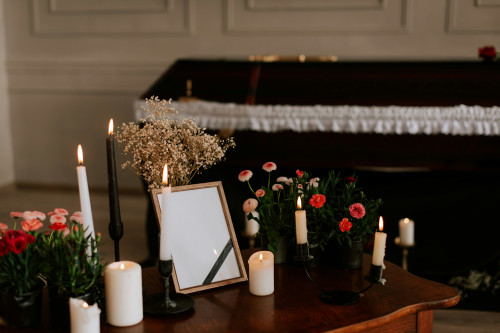
A ritual need not be grand or public. It can be as simple as lighting incense each evening, keeping a photograph in a special place, or writing a letter to the person who has passed. What matters most is the sense of connection and continuity these actions create.
Everyday Rituals That Bring Calm
Grief does not only live in ceremonies; it lives in daily life. Small, repeated actions can bring rhythm and stability when everything else feels uncertain.
- Morning prayer or meditation, offering a moment to remember the loved one and to gather strength for the day.
- A walk at sunset, allowing space for reflection and quiet remembrance.
- Cooking a favourite dish of the person who has passed, sharing it with family or neighbours as an act of love.
These gestures may seem simple, but they help weave memory into the fabric of everyday life, turning grief into something that can be lived with rather than fought against.
The Role of Community
In India, grief is often shared. Family, friends, and neighbours gather to offer condolences, bring food, and sit together in silence or conversation. These communal acts are not just social customs – they are vital forms of emotional support.
Speaking about the person who has died, sharing stories, or even laughing over fond memories can be deeply healing. It reminds us that love continues to exist in the bonds between the living. When grief is carried together, it becomes a little lighter.
Læs også:

Creating Personal Rituals
There is no single right way to grieve. Some find comfort in traditional practices; others create their own. Planting a tree in memory of a loved one, keeping a journal of thoughts and dreams, or visiting a place that held meaning can all become personal rituals of remembrance.
Creating such rituals is about finding an action that feels authentic – something that allows the heart to express loss while also honouring the life that was lived.
When Grief Changes Shape
Over time, grief evolves. It may not disappear, but it becomes part of who we are. Rituals can change with it. What once felt necessary every day may later become an occasional act of remembrance – a yearly visit, a quiet prayer, or a moment of gratitude.
Finding structure in grief is not about controlling it. It is about giving it a home – a space where love and memory can coexist with the ongoing flow of life. Through rituals, both old and new, we learn that while loss changes us, it does not erase the bonds that continue to give our lives meaning.
Læs også: