When Memories Become Part of Everyday Life: Small Rituals That Keep the Memory of the Deceased Close

When Memories Become Part of Everyday Life: Small Rituals That Keep the Memory of the Deceased Close
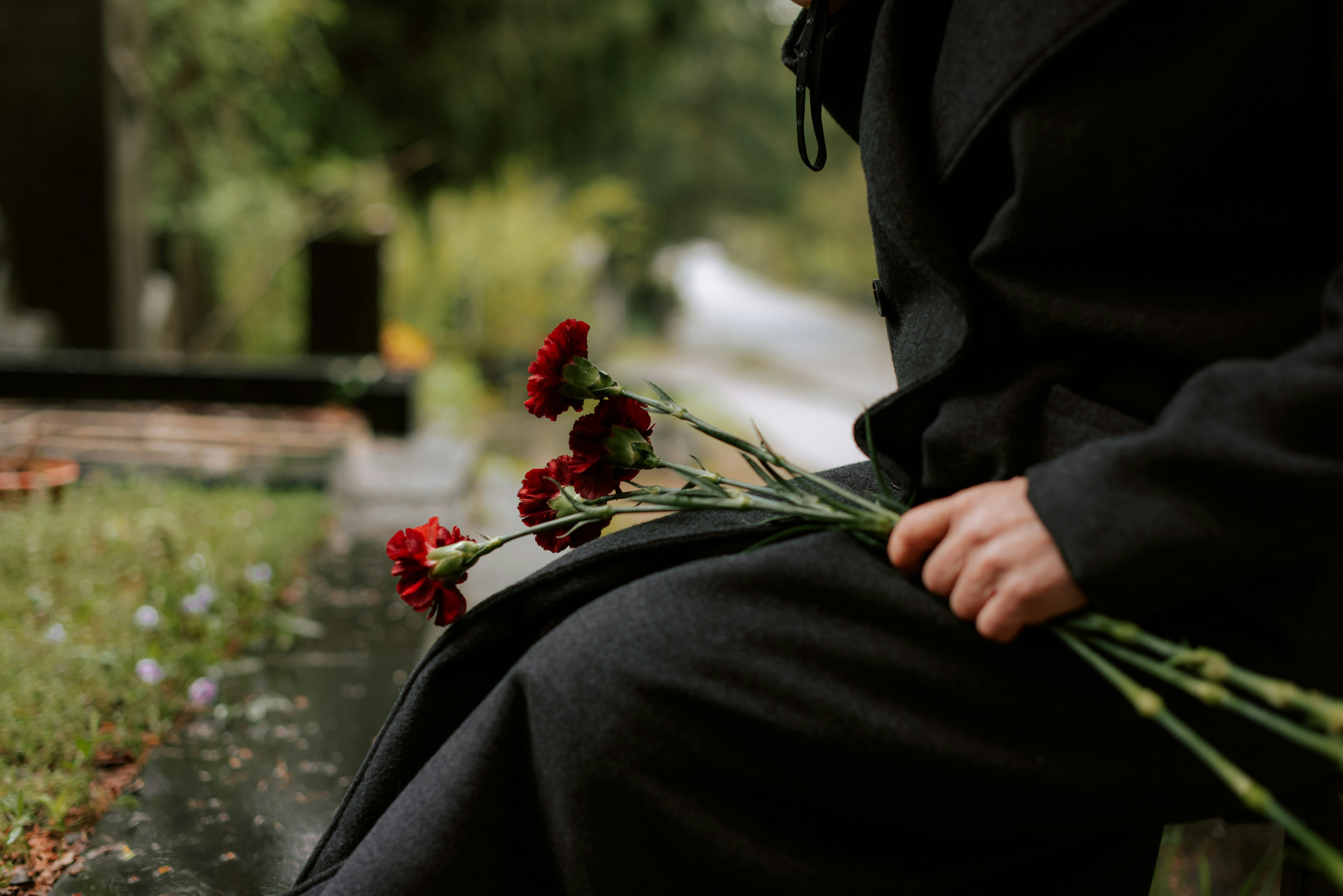
Losing someone dear changes the rhythm of everyday life in ways we can never fully prepare for. The absence is not only felt in the home but also in the small routines that once carried warmth and presence. For many, finding gentle ways to stay connected to the memory of the departed brings comfort. Small rituals can help transform grief into remembrance — allowing love to remain a living part of daily life rather than something confined to the past.
Everyday Rituals as Quiet Anchors
A ritual does not have to be grand or formal. It can be a simple act that brings peace and meaning to the day. Some people light a diya in the morning, place fresh flowers before a photograph, or say a short prayer before beginning their work. Others might cook a favourite dish of the person they lost or play a piece of music that reminds them of shared moments. These gestures are not about holding on to sorrow but about creating a space where love continues to exist quietly.
In many Indian homes, lighting a lamp at dusk or offering food to the ancestors during festivals like Pitru Paksha are ways of acknowledging that those who came before us still have a place in our lives. Such traditions remind us that remembrance can be woven naturally into daily routines.
Læs også:

Creating a Personal Space of Memory
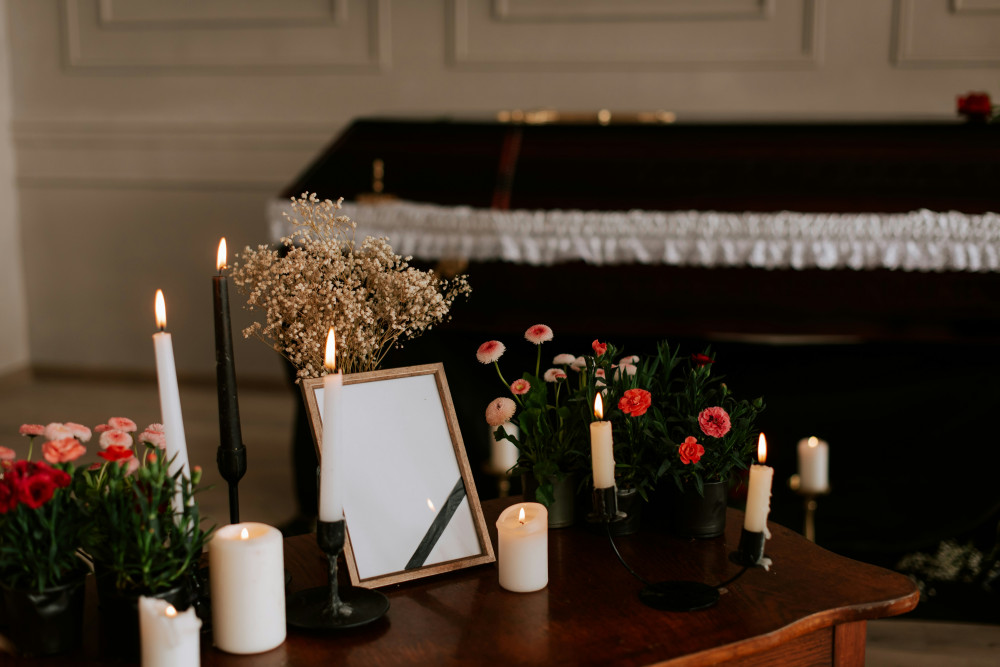
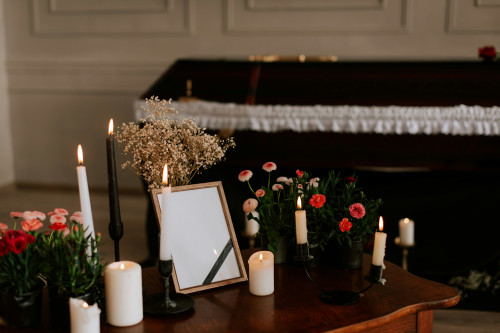
Having a physical space dedicated to remembrance can bring a sense of closeness. It might be a small corner with a framed photograph, a candle, or an object that carries special meaning — a book, a piece of jewellery, or a shawl. This space can serve as a gentle anchor, a place to pause, reflect, and feel connected.
For others, nature becomes the most comforting memorial. Planting a tree in memory of a loved one, tending to a small garden, or visiting a favourite spot by the river can become quiet acts of remembrance. What matters most is that the space feels right to you — not how it appears to others.
Sharing Memories with Family and Friends
Grief can feel isolating, but memories often grow stronger when shared. Talking about the person who has passed, telling stories, or looking through old photographs together can bring both tears and laughter. Many families in India mark death anniversaries with a puja, a meal shared with relatives, or acts of charity in the name of the departed. These gatherings help keep the person’s spirit alive within the family’s collective memory.
Writing can also be a powerful ritual. Keeping a journal, writing letters to the deceased, or creating a scrapbook of memories allows emotions to find expression. It can be a private way to continue the conversation with someone who is no longer physically present.
When Rituals Evolve Over Time
Grief changes, and so do the rituals that accompany it. What feels right in the early days may shift as time passes. Some rituals may fade, while new ones take their place. This evolution is natural — it reflects the way life moves forward while still carrying traces of the past. Allowing rituals to change is also a way of accepting that love endures even as circumstances transform.
Over time, these rituals may become less about loss and more about gratitude — gratitude for the moments shared, the lessons learned, and the love that continues to shape who we are.
Finding Peace in What Endures
Living with memories is not about staying in the past; it is about letting the past live gently within the present. Small rituals — lighting a lamp, saying a prayer, cooking a favourite meal — can bring comfort and continuity. They remind us that love does not end with death; it simply changes form.
When memories become part of everyday life, grief becomes easier to carry. It becomes a quiet companion — a reminder that even in absence, connection remains, and that the bonds of love are never truly broken.
Læs også: