Dressed Right: The Unwritten Rules of Formal Attire

Dressed Right: The Unwritten Rules of Formal Attire
Formal dressing is more than just putting on a suit or a fancy dress. It’s about understanding the unspoken codes that convey respect, confidence, and cultural awareness. In India, where traditions meet modernity, dressing formally can mean different things depending on the occasion — from a corporate meeting in Mumbai to a wedding in Jaipur. Yet, there are timeless principles that help you look appropriate and polished every time.
What Does “Formal Attire” Really Mean?
When an invitation says “formal attire,” it signals that a certain level of effort and refinement is expected. It’s not about being overdressed, but about showing that you value the event and the people attending it. In India, formal wear often blends Western influences with local sensibilities — a reflection of the country’s diverse style culture.
For men, this usually means a well-fitted suit, dress shirt, and tie. In some settings, a bandhgala or a Nehru jacket can be an elegant alternative. For women, formal attire can range from a tailored dress or pantsuit to a graceful saree or anarkali, depending on the occasion and personal preference.
The Key Unwritten Rules
While dress codes may vary, a few universal guidelines always apply when you want to look refined and respectful.
- Fit is everything – A perfectly tailored outfit will always look more sophisticated than an expensive but ill-fitting one. Invest in good tailoring.
- Choose quality fabrics – Linen, wool blends, silk, and cotton-satin are excellent choices for India’s climate and add a touch of class.
- Keep colours balanced – Navy, charcoal, beige, and ivory are safe bets for formal events. Add subtle colour through accessories or pocket squares.
- Shoes matter – Clean, polished shoes complete your look. For men, leather oxfords or loafers work well; for women, closed-toe heels or elegant flats are ideal.
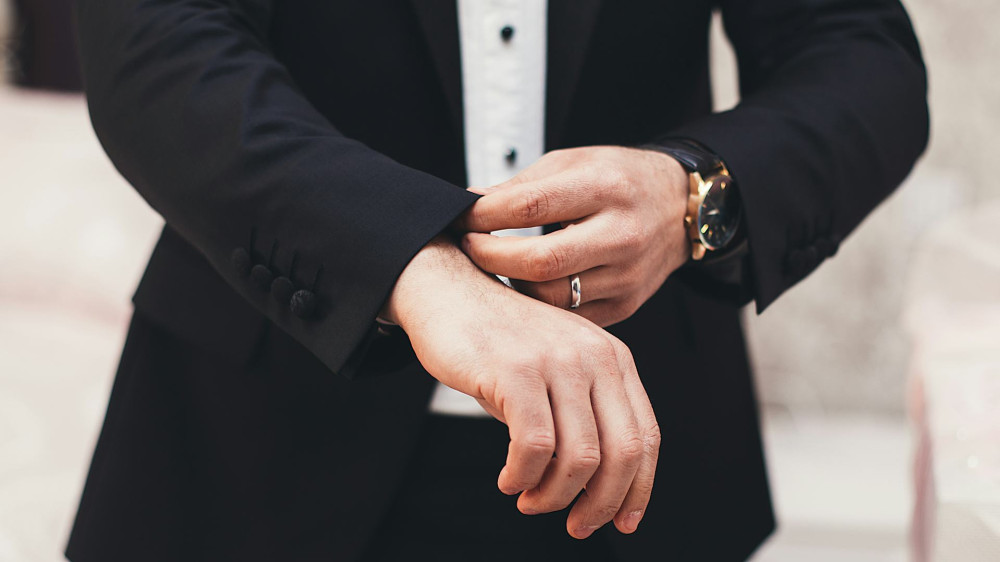
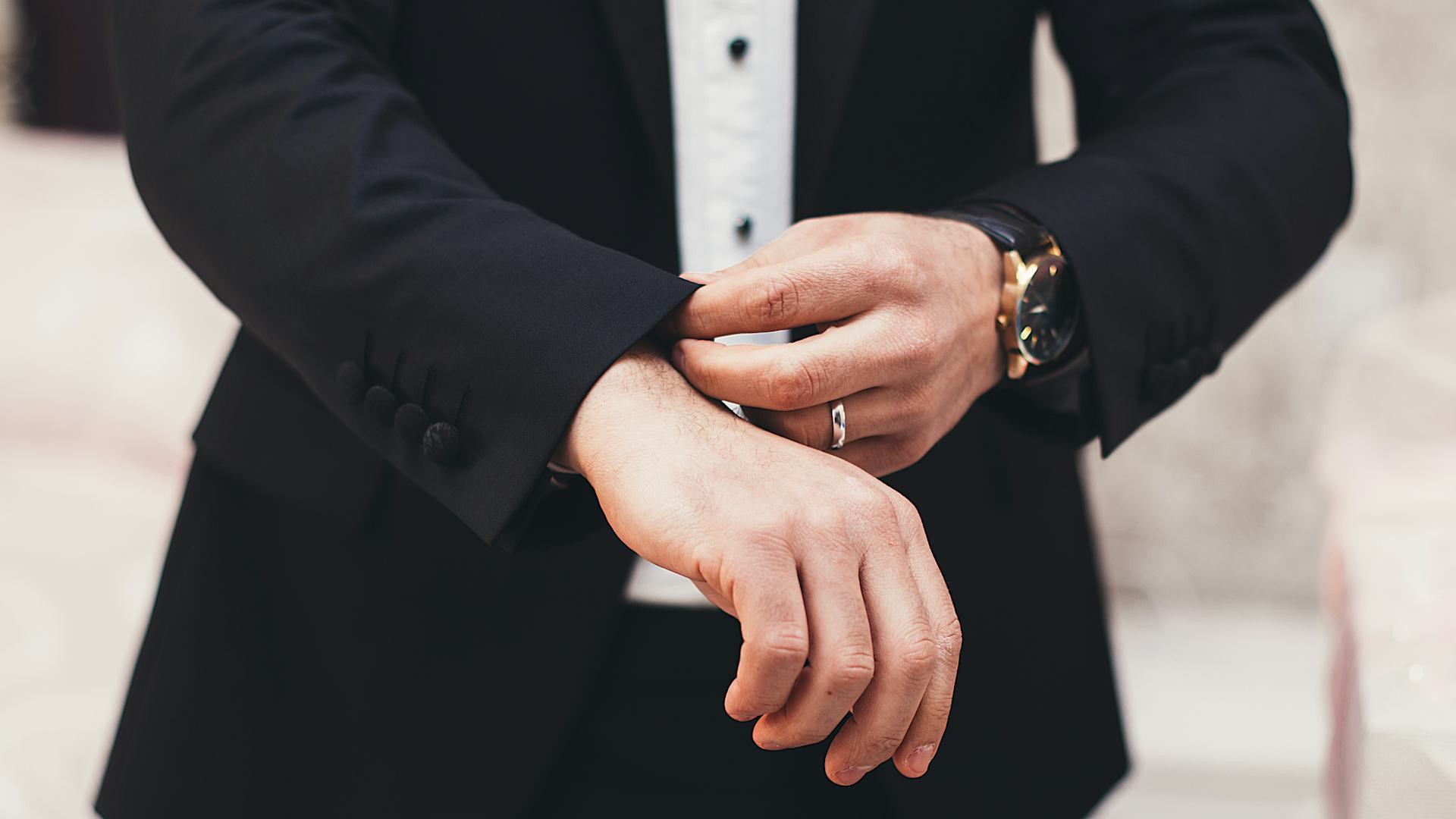
- Accessorise with restraint – A watch, cufflinks, or a simple piece of jewellery can elevate your outfit. Avoid anything too flashy or distracting.
- Grooming counts – Neat hair, trimmed nails, and a subtle fragrance show attention to detail and respect for the occasion.
Business Formal vs. Black Tie
Two of the most common formal dress codes are business formal and black tie, and they differ in both tone and purpose.
- Business formal is standard for corporate events, conferences, and official meetings. Men should opt for a dark suit and tie, while women can choose a structured dress, saree, or a blazer set.
- Black tie is reserved for evening celebrations such as weddings, galas, or award ceremonies. Men are expected to wear a tuxedo or a dark suit with a bow tie, while women can choose a floor-length gown or an elegant saree in rich fabrics.
When in doubt, it’s always better to ask the host or err on the side of being slightly overdressed than too casual.
Tradition Meets Modern Style
Formal dressing in India beautifully merges heritage with contemporary fashion. A silk saree paired with minimalist jewellery can be as formal as a Western gown. Similarly, a bandhgala with tailored trousers can replace a suit while maintaining a dignified look. The key is to balance tradition with modern aesthetics — to look current without losing cultural touch.
Læs også:



The Details That Make the Difference
Small details often determine whether your outfit looks intentional or improvised.
- Ensure your clothes are freshly pressed and lint-free.
- Match your belt and shoes in colour and texture.
- Avoid overpowering perfumes; a light, pleasant scent is more refined.
- Socks should match your trousers, not your shoes.
- Check your posture and how your outfit sits when you move — confidence enhances any look.
These subtle touches communicate professionalism and self-respect.
Breaking the Rules — Gracefully
The unwritten rules are guidelines, not restrictions. Once you understand them, you can bend them with style. A colourful pocket square, a statement necklace, or a patterned tie can express individuality without compromising formality. The trick is to balance creativity with context — to stand out for the right reasons.
Dressing Right, Feeling Right
Ultimately, formal dressing is about more than clothes. It’s about showing respect for the occasion and the people around you. When you feel comfortable and confident in what you wear, it shows — and that confidence is the most elegant accessory you can have.
Læs også: