The wardrobe through life – how your clothes adapt to your changes


The wardrobe through life – how your clothes adapt to your changes
Clothes are more than fabric and fashion – they are part of who we are, quietly evolving with us through every stage of life. From the playful prints of childhood to the professional polish of adulthood and the comfort-driven choices of later years, our wardrobe reflects both our outer and inner transformations. But how exactly do our clothes adapt as we change – physically, socially, and emotionally? Let’s take a look at how the wardrobe becomes a companion through life’s journey.
Childhood – comfort, colour, and curiosity
In childhood, clothes are all about movement and comfort. They must survive playground adventures, monsoon puddles, and endless washing. Parents often choose soft cottons and breathable fabrics suited to India’s climate, but as children grow, they begin to express their own preferences – a favourite cartoon T-shirt, a sparkly dress, or a pair of sneakers that make them feel unstoppable.
Clothing becomes a playful tool for self-discovery. Through colours, patterns, and characters, children start to explore who they are and what they like – the first steps toward personal style.
Teenage years – expression and belonging
For teenagers, clothes become a language. They signal identity, belonging, and aspiration. Influenced by Bollywood stars, K-pop icons, and social media trends, young people experiment with looks that help them fit in or stand out. One week it’s streetwear, the next it’s ethnic fusion – a kurta with jeans or sneakers with a sari.
This is a time of experimentation and self-definition. Through trial and error, teenagers learn what feels authentic to them, discovering that style is not just about following trends but about expressing individuality.
Young adulthood – building a versatile wardrobe
As we step into adulthood, our wardrobe begins to balance practicality and personality. College life, first jobs, and social events demand clothes that can shift between roles – from formal shirts for interviews to casual kurtis or polos for weekends. Many young adults start investing in quality pieces that last longer and can be mixed and matched.
This is also when we begin to understand the value of craftsmanship and sustainability. Choosing breathable fabrics like cotton, linen, or bamboo blends not only suits India’s weather but also supports local artisans and eco-friendly fashion movements.
Midlife – confidence, comfort, and conscious choices
In our 30s and 40s, life often revolves around career, family, and balance. We know our bodies and our tastes better, and our wardrobe reflects that maturity. Clothes need to be comfortable yet polished – a well-fitted kurta, a crisp shirt, or a saree that feels elegant without being restrictive.
There’s a growing awareness of sustainability and mindful consumption. Many Indians are turning to slow fashion, preferring fewer but better-quality garments. Comfort becomes a key part of style – soft fabrics, well-made shoes, and clothes that move with us through busy days.
Later years – freedom, ease, and personal expression
In the later stages of life, clothing often becomes more personal than ever. The pressure to follow trends fades, replaced by a desire for ease and authenticity. People choose clothes that make them feel good – light cottons, flowing silhouettes, or vibrant colours that reflect joy and confidence.
As the body changes, so do our clothing needs. Adjustable waistbands, layered outfits, and soft, breathable materials become essentials. Dressing well is no longer about impressing others but about celebrating oneself and embracing comfort with grace.
Læs også:
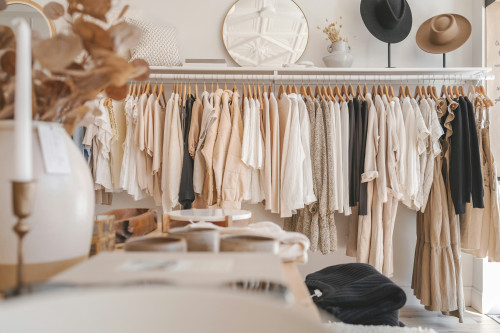

The wardrobe as a reflection of life
Looking back, our wardrobe tells a story – of childhood play, youthful exploration, adult responsibility, and the calm wisdom of age. Clothes evolve with us, adapting to our changing bodies, lifestyles, and identities.
Understanding this connection helps us see fashion not as something external, but as part of our life’s rhythm. In the end, what we wear is not just about how we look, but about how we feel and how we move through the world – with confidence, comfort, and a sense of self that grows richer with time.
Læs også: