From Idea to Finished Home: How to Get an Overview of the Entire Construction Process

From Idea to Finished Home: How to Get an Overview of the Entire Construction Process
Building your own home is one of life’s most exciting and challenging journeys. From the first sketches to the moment you turn the key, the process involves countless decisions, approvals, and details. Without a clear overview, it can easily feel overwhelming. This guide will help you understand each stage of the construction process in India – from the first idea to your finished home.
Start with the Dream – and Make It Concrete
Every home begins with a vision. Perhaps you imagine a modern apartment, a traditional bungalow, or a sustainable home with solar panels and rainwater harvesting. Before you approach an architect or builder, take time to define your needs and preferences.
Make a list of:
- Requirements and priorities – how many rooms, what size, and which features matter most?
- Style and materials – what aesthetic appeals to you, and what suits your plot and climate?
- Budget and timeline – how much can you invest, and when do you want to move in?
The clearer your vision, the easier it will be for professionals to guide you and provide accurate estimates.
Læs også:


Get Your Finances in Order Early
A realistic budget is the foundation of a successful project. It should include not only construction costs but also land registration, architect and consultant fees, government approvals, interior work, landscaping, and unforeseen expenses.
Work with your bank or financial advisor to plan your financing. Many Indian banks offer home construction loans, which are disbursed in stages as the work progresses. Always keep a contingency fund of 10–15% for unexpected costs – almost every project encounters surprises.
Once your finances are clear, you can start requesting quotations from contractors. Compare not just prices but also what each quote includes – materials, labour, taxes, and warranties.
Choose the Right Construction Model
In India, you can build in several ways depending on how much control and involvement you want.
- Turnkey contract – one company handles everything from design to completion. It’s convenient and time-saving but offers less flexibility.
- Labour contract – you supply materials, and the contractor provides labour. This gives you more control but requires close supervision.
- Item-rate or package contract – you pay for specific tasks or stages, allowing you to manage costs step by step.
Whichever model you choose, ensure that all agreements are written down clearly, including timelines, payment schedules, and responsibilities. Have a legal expert or construction consultant review the contract before signing.
From Design to Building Approval
Once you’ve chosen your team, the design phase begins. Your architect will prepare drawings and 3D visualizations based on your requirements and local building regulations.
In India, you’ll need to obtain building plan approval from your local municipal corporation or development authority. The authorities will check:
- Compliance with zoning and floor area ratio (FAR) rules.
- Setback requirements and building height limits.
- Structural safety and environmental clearances, if applicable.
Approval times vary by city, so submit your application early. Only after receiving the sanctioned plan should construction begin.
The Construction Phase – From Foundation to Finishing
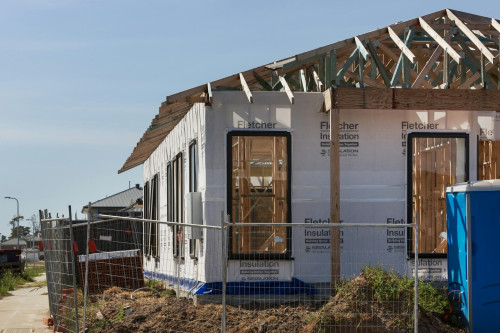
When the first bricks are laid, your dream starts taking shape. The construction process typically follows these stages:
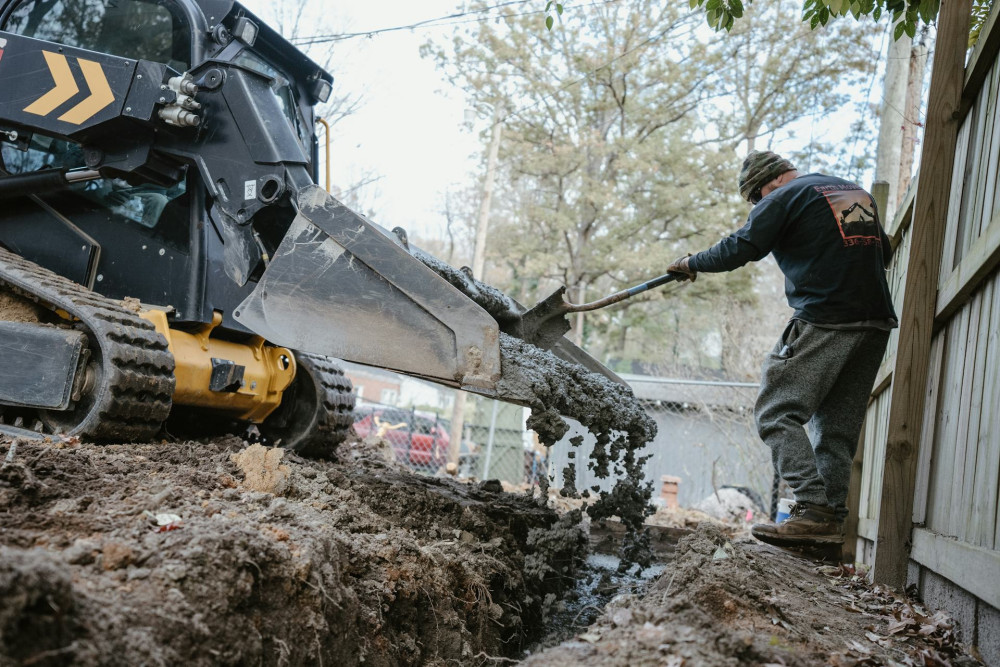
- Site preparation and foundation – clearing the land, soil testing, and laying the foundation.
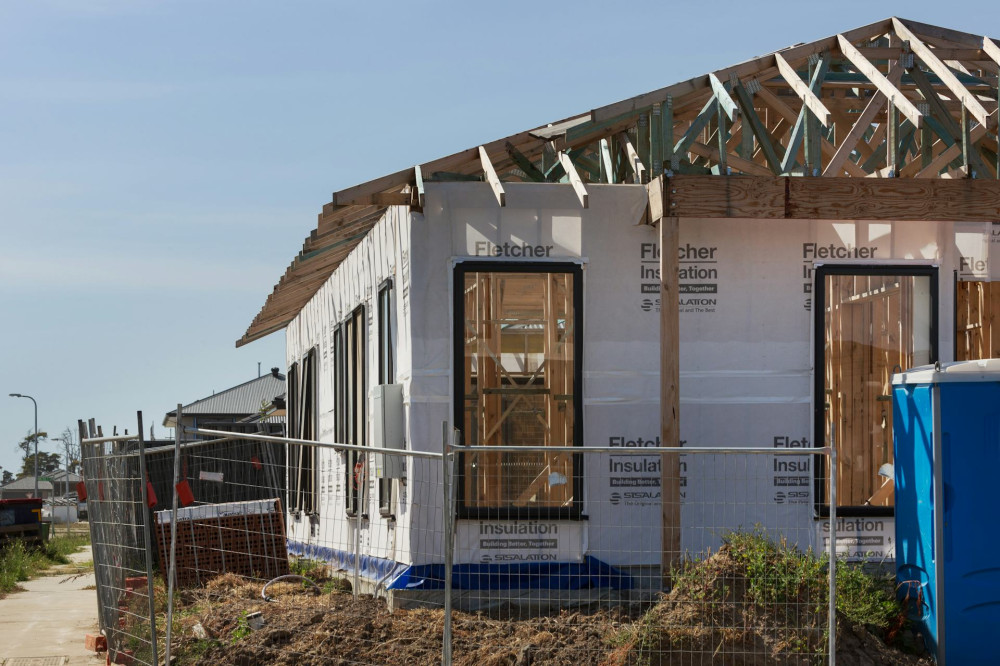
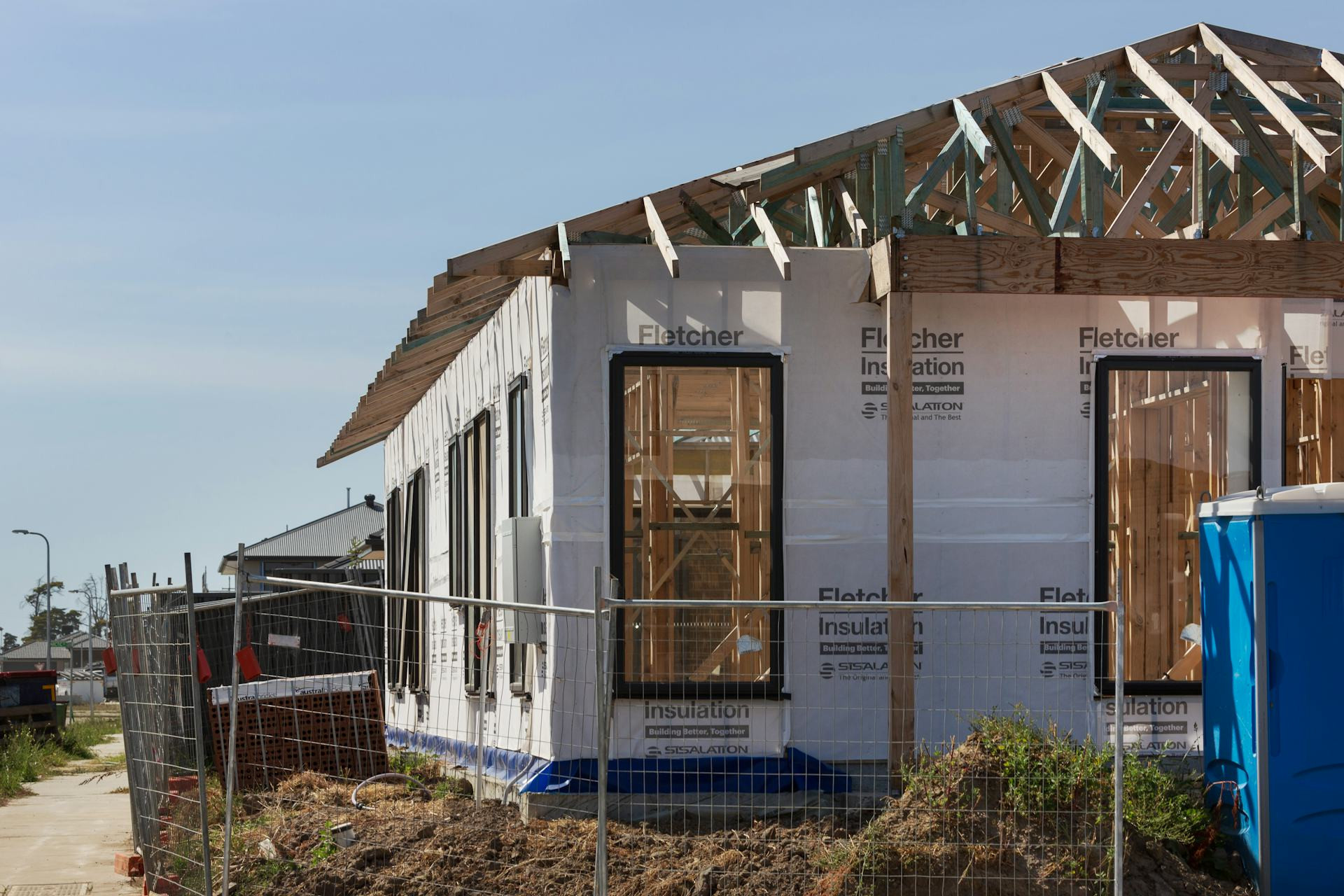
- Structure – building walls, columns, beams, and roof.
- Plumbing and electrical work – installing pipes, wiring, and drainage systems.
- Plastering and flooring – finishing walls and laying tiles or other flooring materials.
- Painting and interiors – applying paint, installing doors, windows, and fixtures.
- Final inspection and cleaning – checking for defects and preparing the home for handover.
Keep a construction diary and take photos regularly. This helps track progress and serves as documentation if disputes arise later.
Communication and Supervision
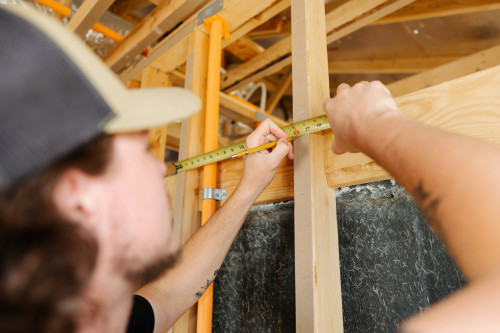
A home project involves many professionals – architects, engineers, contractors, and suppliers. Clear communication is essential. Schedule regular site meetings and confirm all changes in writing.
Consider hiring an independent project manager or site supervisor to monitor quality and ensure that work follows the approved plan. This extra step can prevent costly mistakes and delays.
Handover and Post-Construction Checks
When construction is complete, conduct a final inspection with your contractor. Note any defects or unfinished work in a written list and agree on a timeline for corrections.
Keep all documents – approved plans, invoices, warranties, and manuals – safely stored. These will be useful for future maintenance or if you decide to sell the property.
After moving in, monitor your home for a few months. Small issues like cracks or leaks can appear as the building settles. Address them promptly under the contractor’s warranty period.
Enjoy the Result – and Learn from the Journey
Standing in your new home is a moment of pride. The process may have tested your patience and decision-making, but it also gave you valuable insight into how a home is built.
Take time to enjoy the result and reflect on what you’ve learned. Whether you plan to build again or simply maintain your home, understanding the construction process will help you make better decisions in the future.
Læs også: