The Importance of the Roof: How Design and Color Affect a Home’s Energy Consumption

The Importance of the Roof: How Design and Color Affect a Home’s Energy Consumption
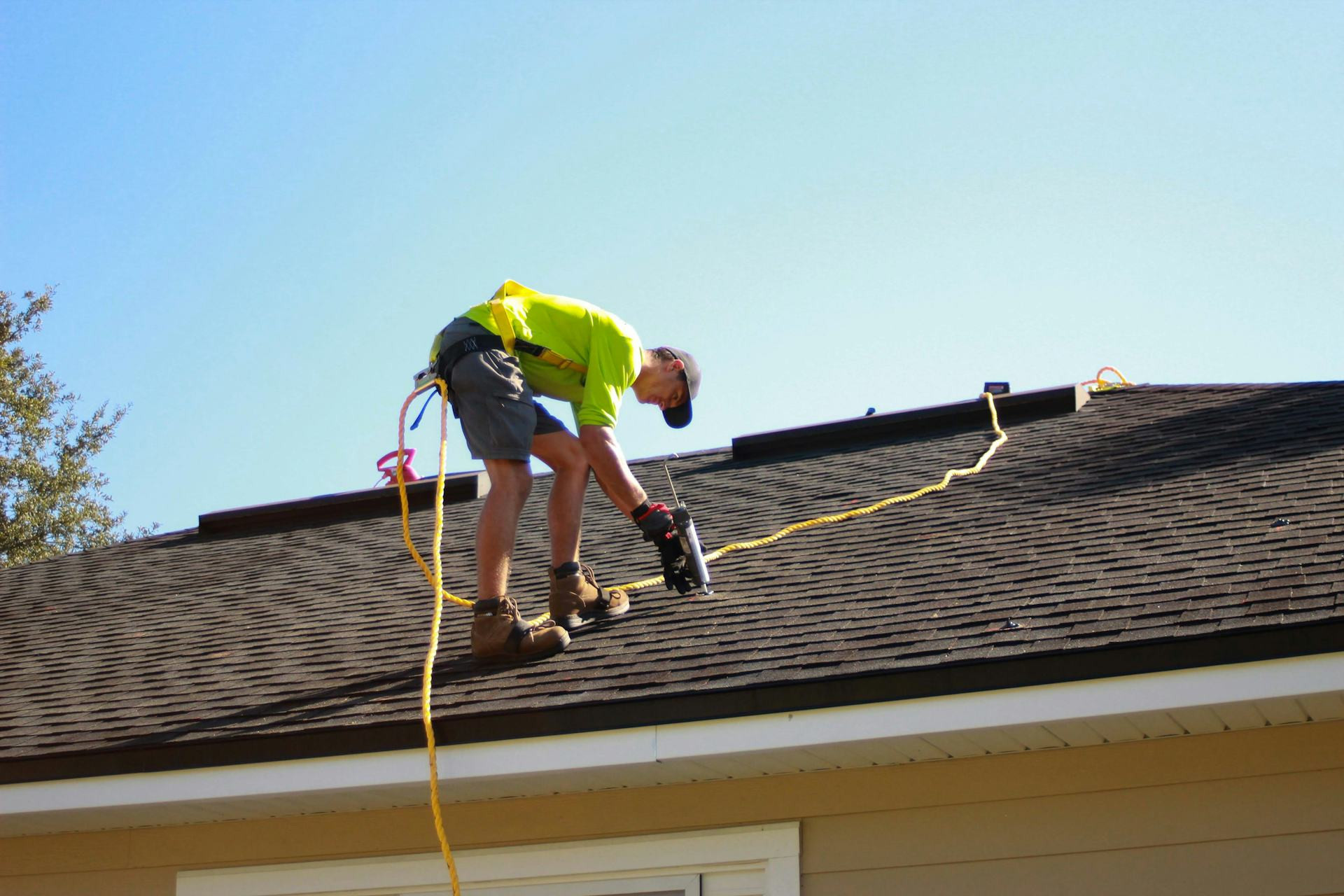
The roof is one of the most vital parts of any home – not only for its appearance but also for its impact on energy efficiency. In India’s diverse climate, from the scorching summers of Rajasthan to the humid monsoons of Kerala, the roof plays a crucial role in keeping homes comfortable and energy-efficient. The design, materials, and color of a roof can significantly influence how much heat enters or escapes a building, affecting both comfort and electricity bills.
Roof Design – The First Line of Defense Against Heat
A well-designed roof is the foundation of an energy-efficient home. Its structure determines how effectively it shields the interior from external heat and rain. In India, where temperatures can soar above 40°C, the roof often bears the brunt of solar radiation.
Traditional Indian homes often used sloped roofs with clay tiles, which allowed air circulation beneath the tiles and helped keep interiors cool. Modern homes, especially in cities, tend to have flat concrete roofs, which absorb and store heat during the day, releasing it at night. Without proper insulation, this can make indoor spaces uncomfortably warm.
Adding insulation layers, reflective coatings, or ventilated roof systems can drastically reduce heat transfer. Roof vents or attic fans can also help release trapped hot air, improving indoor comfort and reducing the need for air conditioning.
Choosing the Right Material – Balancing Durability and Efficiency
Roofing materials vary widely in their thermal performance, cost, and maintenance needs. The right choice depends on local climate conditions and the building’s design.
- Clay or terracotta tiles are traditional and effective in hot climates. Their natural air gaps and thermal mass help keep interiors cooler.
- Metal roofs, especially those with reflective coatings, can deflect sunlight and reduce heat absorption. However, they require good insulation to prevent heat transfer.
- Concrete roofs are common in urban India but tend to trap heat. Applying reflective or “cool roof” paints can help mitigate this.
- Asphalt or bitumen sheets are used for waterproofing flat roofs but can become very hot under direct sun unless treated with reflective layers.
In coastal or high-rainfall regions, materials must also resist corrosion and water damage. Proper waterproofing and drainage systems are essential to prevent leaks and structural deterioration.
The Role of Color – Light or Dark?
Color plays a surprisingly large role in a roof’s energy performance. Dark colors absorb more heat, while light colors reflect it. In India’s predominantly warm climate, lighter roofs are generally more energy-efficient.
A white or light-colored roof can reflect up to 80% of sunlight, significantly lowering indoor temperatures and reducing the need for air conditioning. This concept, known as the “cool roof,” is gaining popularity in Indian cities as part of sustainable building initiatives.
In cooler regions, such as parts of Himachal Pradesh or the Northeast, slightly darker roofs may help retain warmth during winter. However, for most of the country, lighter shades are the better choice for year-round comfort.
Læs også:

Green Roofs – Cooling Naturally
Green roofs, where vegetation grows on a waterproof membrane, are an innovative way to improve energy efficiency and urban sustainability. The plants act as natural insulation, reducing heat absorption and improving air quality.
In Indian cities facing rising temperatures and air pollution, green roofs can help lower the urban heat island effect, reduce stormwater runoff, and create pleasant rooftop gardens. They also extend the lifespan of the roof by protecting it from direct sunlight and heavy rain.
However, green roofs require strong structural support and regular maintenance, especially in regions with heavy monsoon rainfall.
Maintenance and Longevity – Protecting Your Investment
A roof’s energy performance depends not only on its design but also on its upkeep. Cracks, leaks, or clogged drains can lead to water damage and reduced insulation efficiency. Regular inspections, especially before and after the monsoon season, can prevent costly repairs.
Cleaning the roof surface, removing debris, and reapplying reflective coatings when needed will help maintain its energy-saving properties. A well-maintained roof not only lasts longer but also continues to contribute to lower energy consumption.
A Roof That Fits the Climate – and the Home
Choosing the right roof is about more than aesthetics. It’s about finding a solution that suits the local climate, the building’s structure, and the homeowner’s energy goals. A light-colored, insulated roof may be ideal for a modern home in Delhi, while a tiled sloped roof might suit a traditional house in Kerala.
By considering design, materials, color, and maintenance together, homeowners can create roofs that not only protect their homes but also reduce energy use and contribute to a more sustainable future. In a country where the sun shines most of the year, the right roof can make all the difference – for comfort, cost, and the environment.
Læs også: